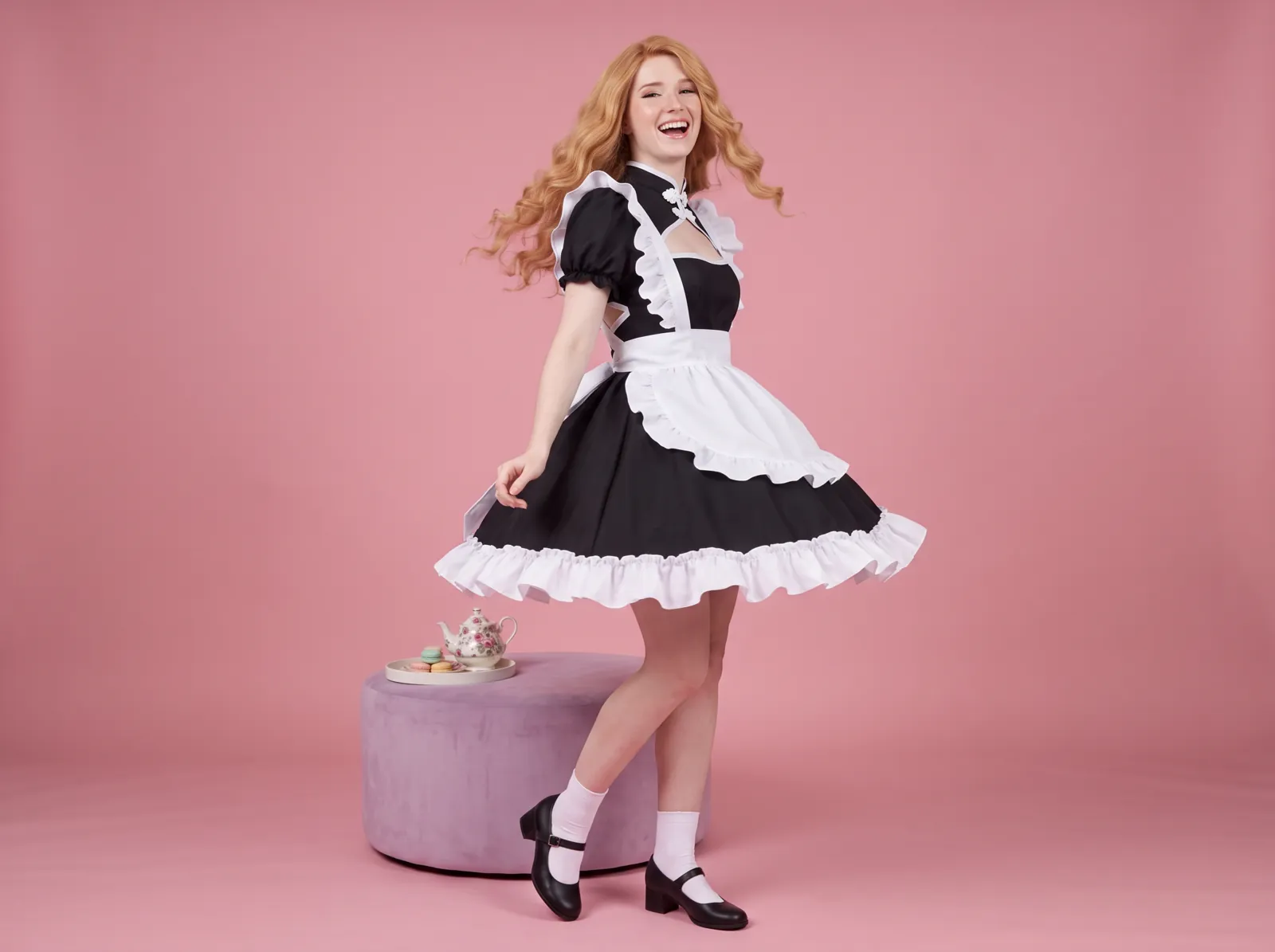
Crossdressing means wearing clothes, accessories or make-up that a society usually associates with another gender – for example, a man wearing a dress. It describes what someone wears, not who they are: crossdressing on its own says nothing about a person’s gender identity or sexual orientation. People do it for many reasons, from performance and costume to comfort, creativity and self-expression.
Below you will find a clear definition, a short history from the stage to cosplay, the most common reasons people crossdress and an explanation of how it differs from being transgender or doing drag.
A simple definition
The word combines “cross” (across) and “dressing”. Someone who crossdresses is often called a crossdresser; the older word “transvestite” is now considered outdated and can feel clinical or hurtful, so most communities avoid it.
What counts as crossdressing depends on culture and era. Trousers were once seen as strictly male clothing in much of Europe; today nobody would call a woman in jeans a crossdresser. In practice, the term today is mostly used for people assigned male at birth who wear dresses, skirts, lingerie, heels or feminine accessories – occasionally, regularly, at home or in public.
A short history: theatre, drag and cosplay
Dressing across gender lines is far older than the word itself. A few well-known examples:
- Theatre: in Shakespeare’s England, women were not allowed on the public stage, so young male actors played Juliet, Ophelia and Lady Macbeth. Japanese kabuki and Chinese opera have similar traditions of male performers in female roles.
- Pantomime and comedy: the British pantomime “dame” and countless film comedies have used crossdressing for humour.
- Drag: modern drag culture turned crossdressing into an art form with its own make-up, performance and nightlife scene.
- Carnival and festivals: many European carnival traditions include men dressing as women for a day.
- Cosplay and crossplay: fans dress as characters of another gender, often from anime and games, which has made outfits like maid dresses and lolita styles popular well beyond Japan.
Why people crossdress
There is no single reason, and many people have several. Some of the most common:
- Self-expression: clothes are a way to show a side of your personality that everyday “men’s fashion” does not allow.
- Comfort and feel: soft fabrics like satin, lace and cotton jersey simply feel nice to wear.
- Creativity and fun: putting together an outfit, choosing colours and accessories can be as creative as any hobby.
- Relaxation: many crossdressers say that dressing helps them unwind and feel more like themselves.
- Performance and costume: theatre, parties, cosplay events and photoshoots.
- Exploring identity: for some, crossdressing is part of figuring out their gender identity over time. That is a personal journey with no fixed outcome.
Crossdressing is not the same as gender identity
This is the point that causes the most confusion. Crossdressing is about clothing and presentation. Gender identity is a person’s inner sense of their gender. They can overlap, but one does not define the other:
- Many crossdressers are men who identify as men and enjoy wearing feminine clothes.
- A trans woman wearing a dress is not crossdressing – she is simply a woman wearing a dress.
- Crossdressers can be straight, gay, bisexual or anything else. Clothing choices do not reveal orientation.
- Drag is usually a performance; crossdressing can be private, everyday or occasional.
The respectful approach is simple: use the words and pronouns a person uses for themselves, and do not assume anything about their identity or relationships based on their clothes.
What crossdressers typically wear
Styles vary hugely. Some people prefer realistic everyday women’s fashion; others love playful or very feminine looks. Popular categories include classic dresses and skirts, lingerie and nightgowns, and costume-inspired outfits such as French maid dresses and Japanese lolita or kawaii styles. Our collection of femboy and crossdresser clothes shows how wide that range can be, from simple satin dresses to full maid uniforms.
One practical point many beginners miss: women’s clothes are cut differently, and many cute dresses use Asian sizing that runs about one size small. Before ordering, it is worth checking your measurements against a size chart for men.
If you are curious about trying it
- Start privately and at your own pace – there is no rule about how far you should go.
- Pick one piece you genuinely like rather than a whole outfit at once.
- Measure chest, waist, hips and shoulders before buying online.
- Look for online communities and forums where people share tips respectfully.
- Remember that you do not owe anyone a label. “I like wearing dresses” is a complete explanation.
Conclusion
Crossdressing is wearing clothes associated with another gender – a practice with a long history in theatre, carnival, drag and cosplay, and a personal form of expression for many people today. It is about style, not a statement about identity or orientation. If you want to explore it yourself, browse our femboy and crossdresser fashion, check the size guide and start with one piece that feels right. We ship free within Europe from Bulgaria, with no customs inside the EU.
Frequently asked questions
Is crossdressing the same as being transgender?
No. Crossdressing is about clothing. Being transgender is about gender identity. Some trans people crossdressed before transitioning, but most crossdressers do not identify as trans.
Is “transvestite” still an acceptable word?
It is considered outdated and can feel clinical or offensive. “Crossdresser” is the more common and respectful term today.
Does crossdressing say anything about sexual orientation?
No. Crossdressers can be straight, gay, bisexual or any other orientation. Clothing does not reveal who someone is attracted to.
What is the difference between drag and crossdressing?
Drag is usually a performance with exaggerated make-up and a stage persona. Crossdressing is broader and can be private, everyday or occasional.
Shop the look
-

Navy Blue Maid Dress with Optional Petticoat
Price range: €51.99 through €65.99 Select options This product has multiple variants. The options may be chosen on the product page -
Pastel Kawaii Maid Outfit with Layered Ruffles
€59.99 Select options This product has multiple variants. The options may be chosen on the product page -
Maid Dress with Cream Ruffle Apron & Bows
€93.99 Select options This product has multiple variants. The options may be chosen on the product page -
Long Sleeve Lolita Maid Dress – 8 Colours
€62.99 Select options This product has multiple variants. The options may be chosen on the product page


Leave a Reply