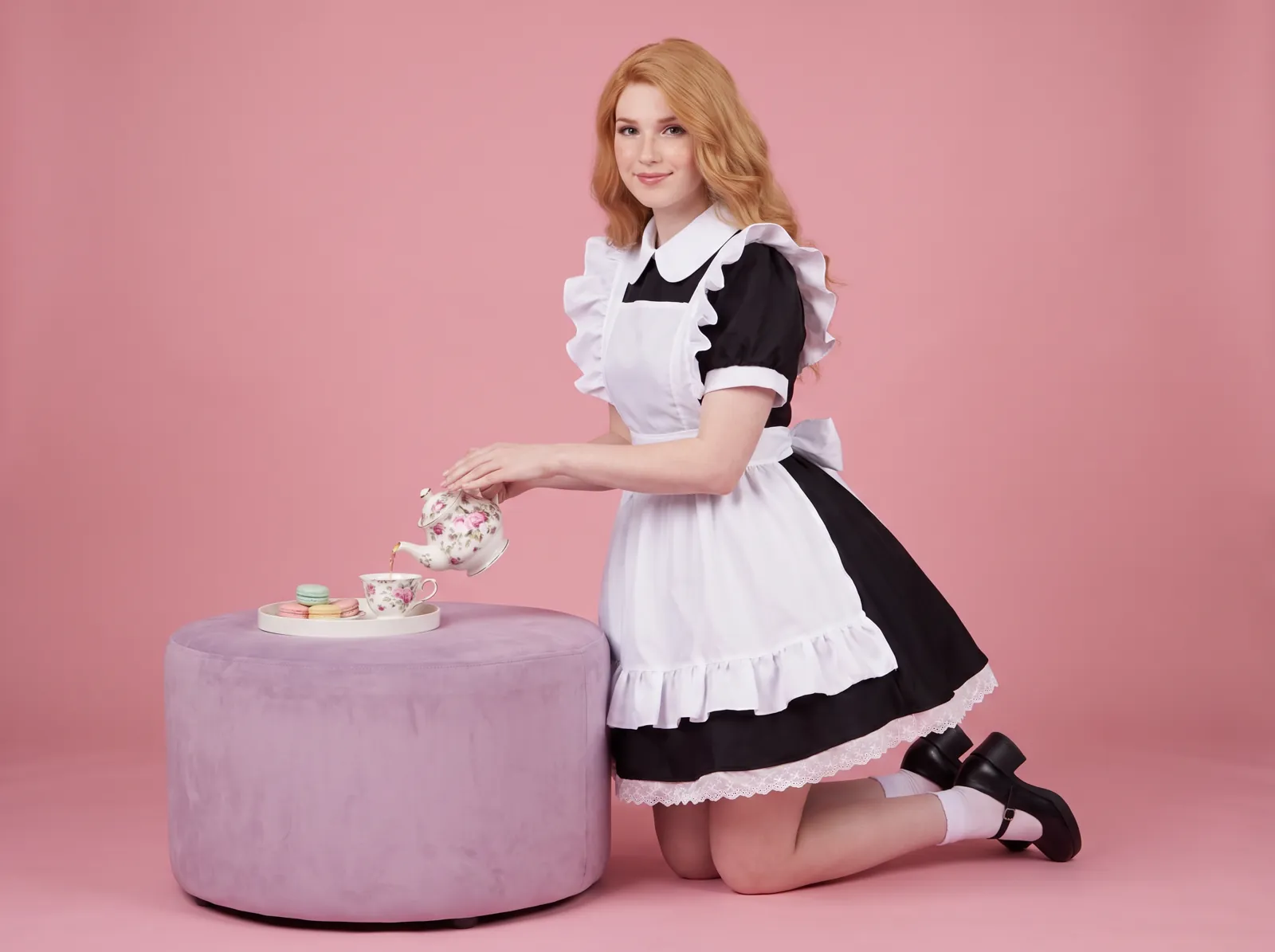
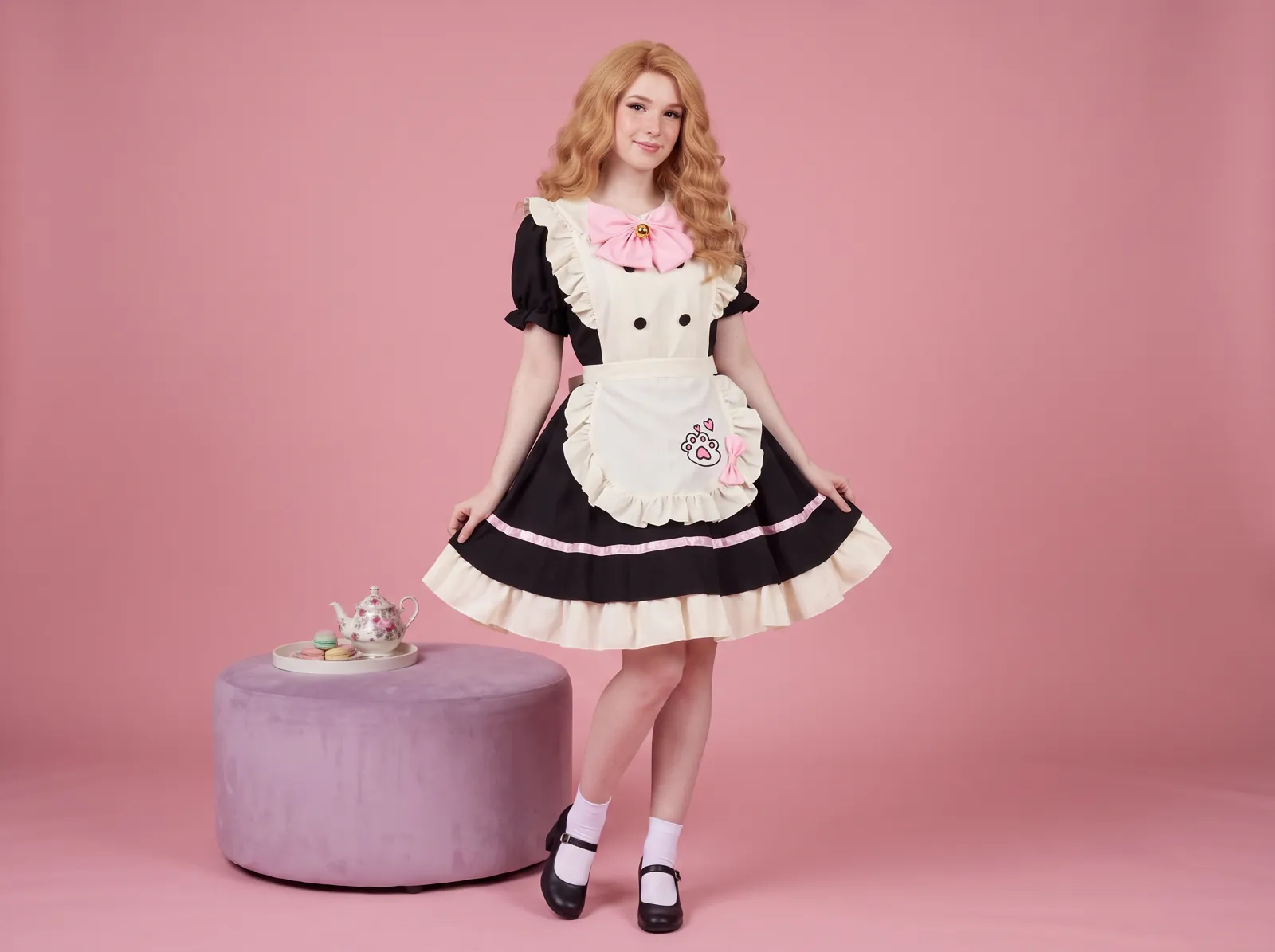
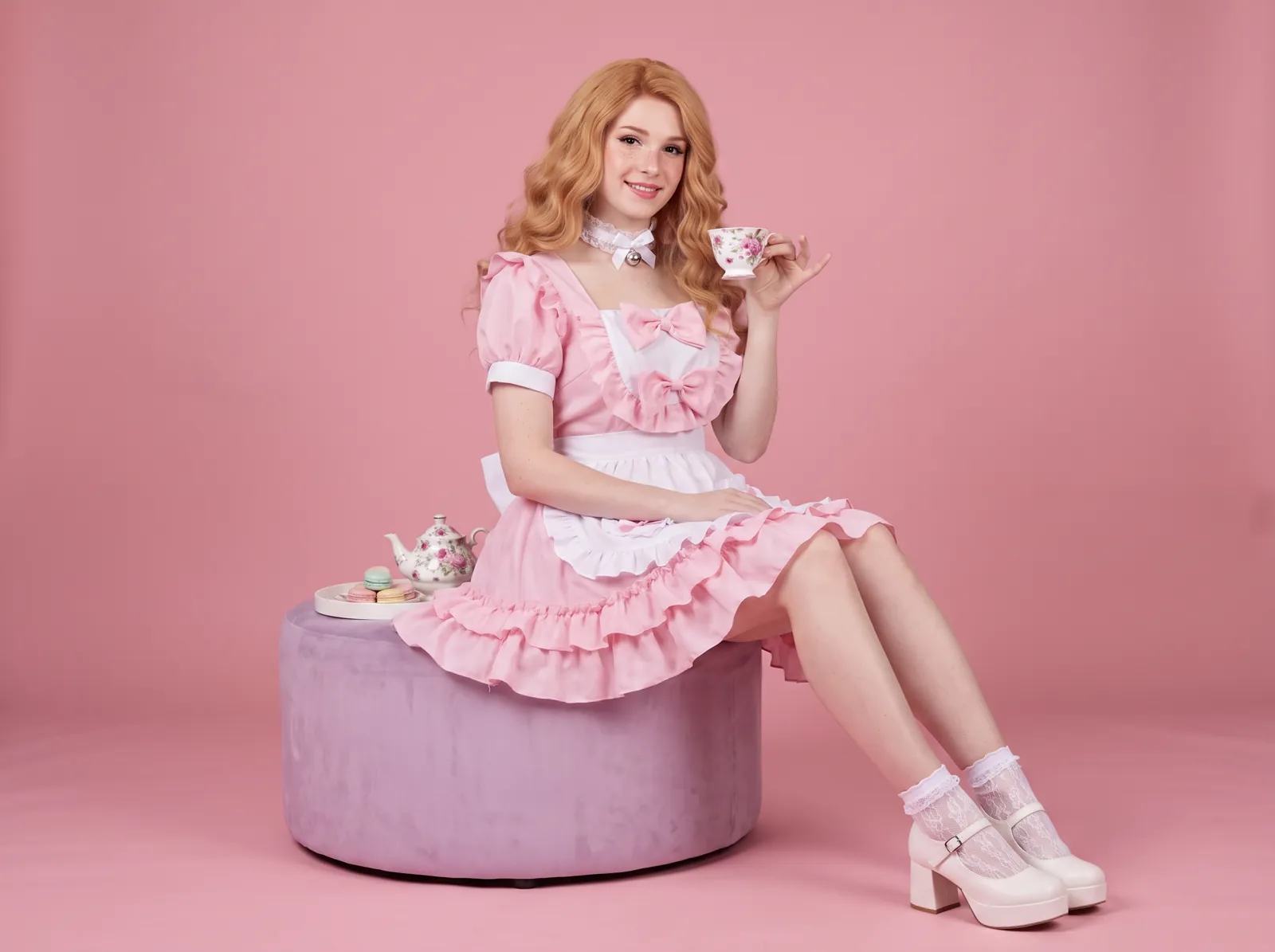
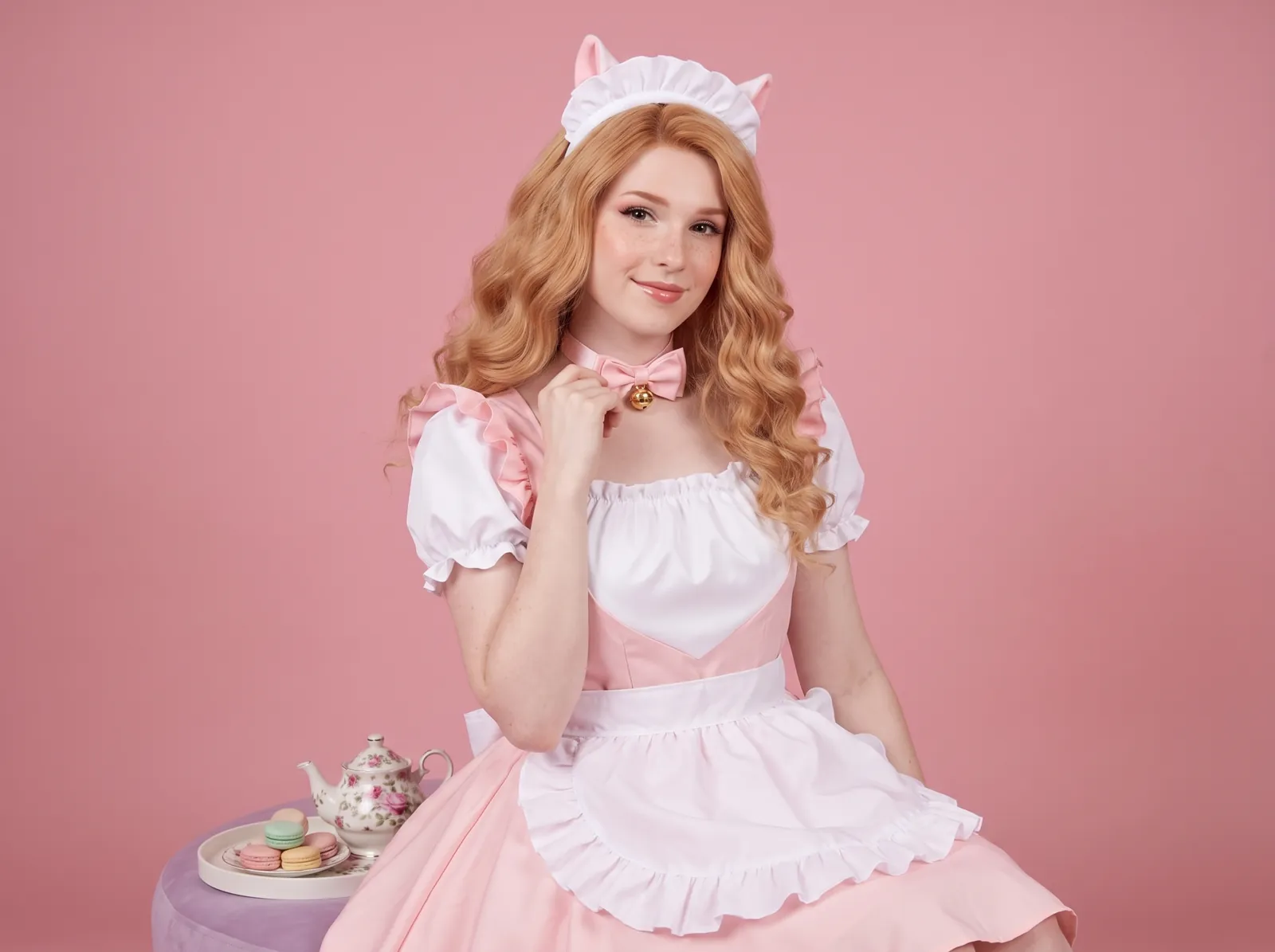
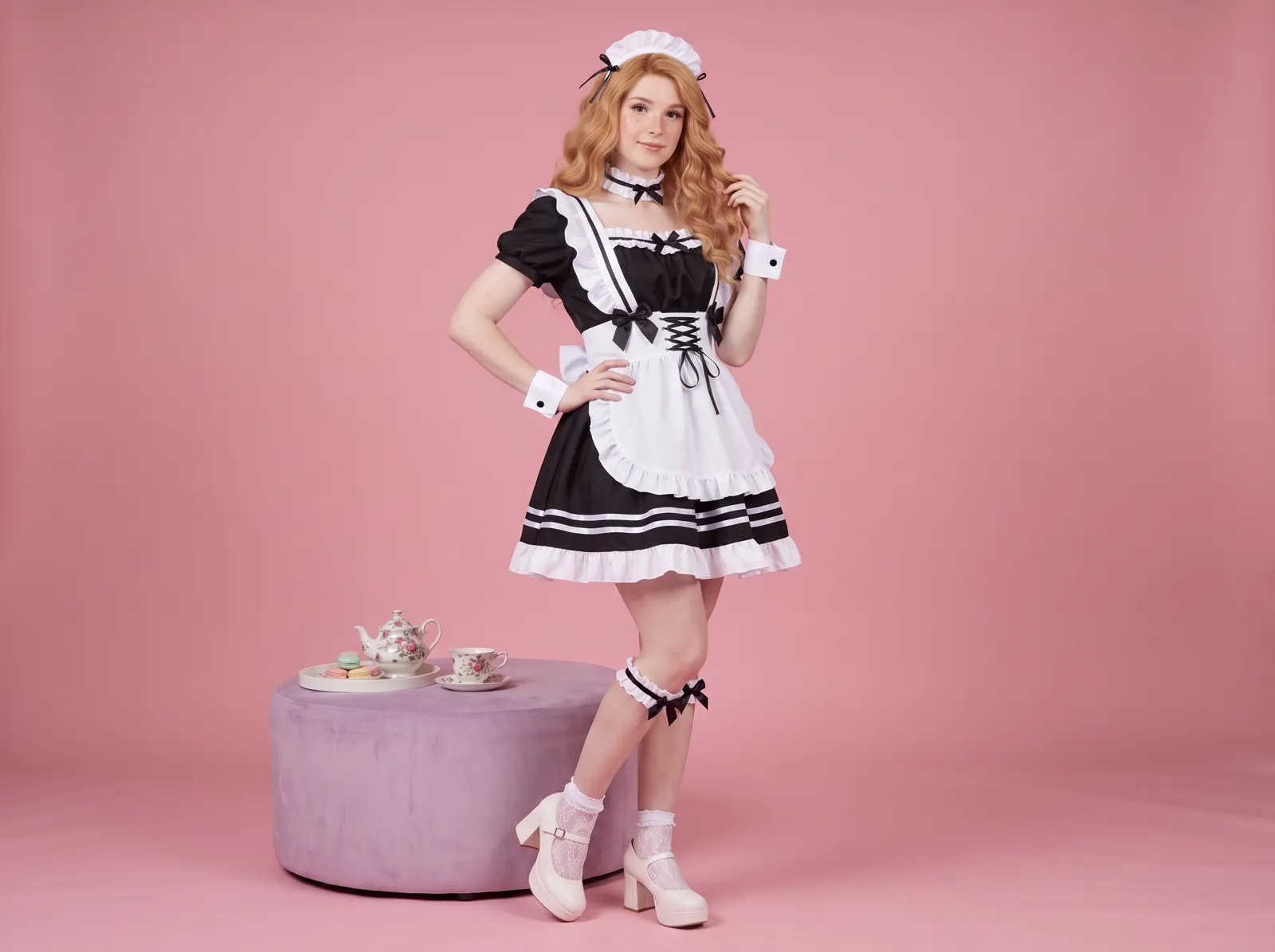
To measure yourself for a dress, use a soft tape measure and take five measurements: chest (bust), natural waist, hips, shoulder width and the length you want. Measure over thin underwear, keep the tape level and snug but not tight, and write every number down in centimetres. Then compare those numbers with the size chart of the specific dress, not with your usual letter size. This guide explains each step with tips for men, crossdressers and femboys buying dresses online.
Why men should always measure before buying a dress
Women’s and unisex dresses are cut for a different body shape than men’s shirts and trousers. Men usually have broader shoulders, a wider ribcage, narrower hips and a longer torso. A dress that matches your usual “L” may close at the waist but be too tight across the back, or the waistline may sit above your real waist.
On top of that, many maid, lolita and costume dresses are made in Asian sizes, which run about one size small. Measuring takes ten minutes and is the best way to avoid returns and disappointment.
What you need
- A soft tailor’s tape measure (not a metal one from the toolbox)
- A mirror, or better, a friend to help with the back and shoulders
- Thin, close-fitting underwear or the undergarments you plan to wear with the dress
- A notebook or your phone to write down the numbers
If you plan to wear a padded bra, breast forms, a shapewear or a waist cincher with the dress, wear them while measuring. They change your chest and waist numbers, and the dress has to fit over them.
How to take each measurement
Stand straight and relaxed, feet together, and breathe normally. Don’t pull in your stomach and don’t puff out your chest.
- Chest (bust): wrap the tape around the fullest part of your chest, under the armpits and across the shoulder blades. Keep it horizontal all the way round.
- Waist: find your natural waist, the narrowest part of your torso, usually a few centimetres above the belly button. Bend sideways; the crease that forms is your waist. Measure there with the tape level.
- Hips: measure around the widest part of your hips and seat, usually about 18–22 cm below the waist. Keep your feet together.
- Shoulder width: measure across your back from the tip of one shoulder bone to the other. This is much easier with help.
- Length: measure from the top of the shoulder, next to the neck, straight down the front to where you want the hem to end, for example mid-thigh or knee.
Take each measurement twice. If the numbers differ, use the larger one.
Extra measurements that help
For some dresses, especially fitted maid dresses with sleeves, a few additional numbers make a big difference:
- Upper arm: around the widest part of the upper arm, important for puffed or fitted sleeves.
- Sleeve length: from the shoulder tip down to the wrist with your arm slightly bent.
- Neck: around the base of the neck, useful for high collars.
- Torso length: from the shoulder next to the neck down to your natural waist. Men often have a longer torso, so this tells you whether the waistline of the dress will sit in the right place.
How to read a dress size chart
Once you have your numbers, open the size chart of the dress you want. Check whether the chart lists body measurements (your measurements) or garment measurements (the dress laid flat). Garment measurements need some extra room, often called ease.
- Start with the chest, because it is the hardest to alter and the most common problem for men.
- Then check the waist. In a fitted dress, the waist should be equal to or slightly larger than your waist measurement.
- For skirts with petticoats or a full shape, hips usually matter less.
- Check shoulder width and length last.
- If you are between two sizes, choose the larger one; a slightly loose dress is easier to adjust than a tight one.
Our size guide shows how our dresses compare with body measurements. We offer sizes from S to 6XL, so most body types can find a fit, including in our sissy maid dresses.
Common measuring mistakes
- Measuring over thick clothes such as jeans or a sweater.
- Pulling the tape too tight “to be safe”. You will end up with a dress that is too small.
- Letting the tape slip down at the back, which gives a smaller chest number.
- Measuring the waist at the belt line of your trousers instead of your natural waist.
- Guessing your size from a men’s shirt size instead of measuring.
- Ignoring the length, especially if you are tall.
Conclusion
Measuring yourself for a dress is easy once you know where to place the tape: chest, waist, hips, shoulders and length, taken level and snug in centimetres. Write the numbers down, compare them with the size chart of the dress, and size up if in doubt. Ready to choose? Check our size guide and then browse our sissy dresses to find your perfect fit. If something still doesn’t fit, you can return it within 14 days.
Frequently asked questions
Should I measure in centimetres or inches?
Centimetres are more precise and most dress size charts in Europe and Asia use them. If a chart uses inches, divide centimetres by 2.54.
Do I measure with or without a bra and breast forms?
Measure while wearing whatever you plan to wear under the dress. Breast forms or a padded bra increase your chest measurement, and the dress must fit over them.
What if my chest and waist match different sizes?
Choose the size that fits your largest measurement, usually the chest for men. A slightly loose waist can be adjusted with a belt or apron, a tight chest cannot.
How tight should the tape measure be?
Snug but not tight. You should be able to slide one finger under the tape without it slipping down.