• Free shipping across Europe
  • Ships from the EU – no customs fees
  • 14-day returns
  • Secure checkout

Blog

  • Sissy Lingerie Explained: Styles, Fabrics and Sizing

    Sissy Lingerie Explained: Styles, Fabrics and Sizing

    Sissy lingerie is a style of soft, very feminine sleepwear and loungewear: satin nightgowns, babydolls, ruffled sets, bows, lace trims and pastel colours, made or chosen to fit men, femboys, crossdressers and trans women. To choose well, pick the style that matches the look you love, go for comfortable fabrics such as satin or soft lace, and size by your chest measurement rather than your usual label.

    This guide explains the most popular styles in plain language, what makes each one different, and how to find a piece that fits and feels good.

    What makes lingerie “sissy” style?

    The word describes an aesthetic more than a specific garment. Typical details include:

    • Pastel colours such as baby pink, lilac, light blue and white, as well as classic black.
    • Ruffles, frills and layered hems.
    • Satin bows, ribbons and small lace trims.
    • Shiny satin or soft, semi-sheer fabrics.
    • Sweet, playful shapes inspired by vintage nightwear, maid uniforms and lolita fashion.

    In short, it is lingerie that leans fully into a cute, romantic, ultra-feminine look.

    Popular styles of sissy lingerie

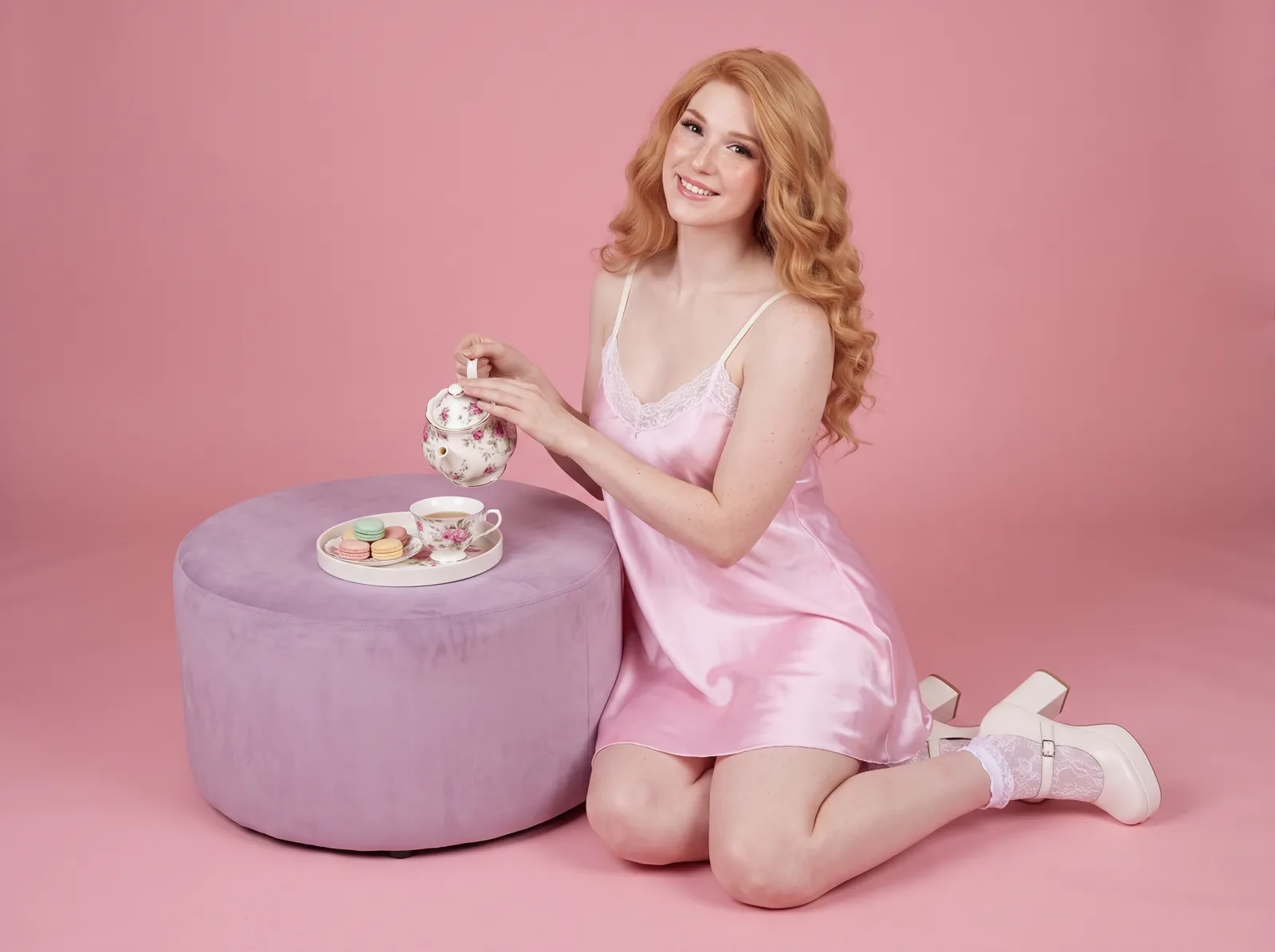
    • Satin nightgown: the classic. A flowing gown with thin or wide straps, often with lace at the neckline and hem. Comfortable to sleep in and very easy to fit.
    • Babydoll: a short, airy top or mini dress that flares from under the chest, usually with a bow at the front.
    • Halter mini dress: ties behind the neck and suits broader shoulders, because there are no straps to slip off.
    • Ruffled sets: a matching top and bottom, often with frilly panties or bloomers.
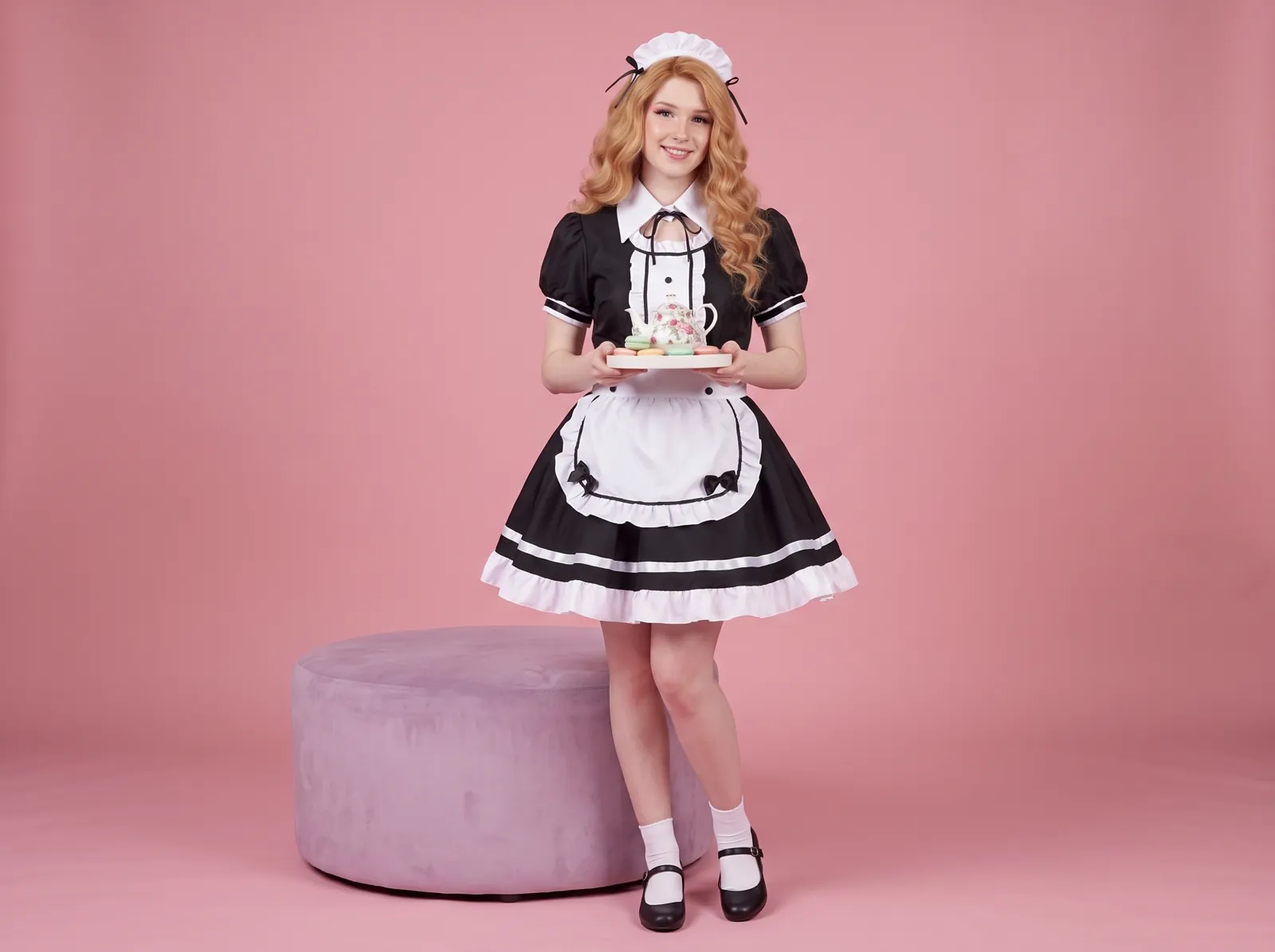
    • Maid-inspired lingerie: black and white satin with a small apron detail or white lace trim, a softer cousin of the classic maid dress.
    • Robes and kimonos: a satin robe over a nightgown for lounging.

    If you love the maid look but want something to wear at home in the evening, maid-inspired sleepwear is a nice bridge. For full outfits, see our sissy maid dresses.

    Choosing the right fabric

    Comfort comes first, especially for pieces you sleep in.

    • Satin: the signature sissy fabric. Usually polyester satin, which is smooth, shiny and easy to care for. It can feel warm in summer, so choose looser cuts then.
    • Lace: pretty as a trim. Soft stretch lace is kinder to sensitive skin than stiff lace.
    • Chiffon and mesh: light and floaty, great for babydolls and robes.
    • Cotton: less shiny but breathable, a good choice for everyday panties or bloomers.

    Check the inside of seams and trims: a soft lining or covered elastic makes a big difference if you wear a piece all night.

    How to choose your size

    Most lingerie is designed around a female fit model, and many pieces are made by Asian manufacturers whose sizes usually run about one size small. That is why measurements matter more than the letter on the label.

    • Measure your chest at the fullest point under the arms. For nightgowns and babydolls this is the most important number.
    • Measure your waist and hips for fitted sets and panties.
    • Check the length if you are tall; a short babydoll may end higher on you than in the photo.
    • Compare with the size chart of the exact product, in centimetres.
    • Between sizes? Choose the larger one. Satin has little stretch, and a slightly loose nightgown is still comfortable.

    Our size guide explains how to measure and covers sizes S to 6XL.

    Fit tips for different body types

    • Broad shoulders: halter necks, adjustable straps or wider straps sit more securely.
    • Flat chest: soft, gathered or ruffled tops look natural without padding.
    • Larger tummy: babydolls and A-line nightgowns flow away from the waist and are very comfortable.
    • Tall frame: look for longer nightgowns or wear a short babydoll as a top over shorts or bloomers.

    Care and storage

    Hand wash satin and lace in cool water with a mild detergent, or use a mesh laundry bag on a delicate cycle. Do not wring; press water out with a towel and hang to dry away from direct heat. Iron satin on a low setting from the inside. Keep bows and ribbons tidy by storing pieces hanging or folded flat. If any fabric irritates your skin, stop wearing it; if irritation continues, ask a doctor.

    Conclusion

    Sissy lingerie is all about soft fabrics, sweet details and feeling comfortable in your own style. Start with an easy piece like a satin nightgown or babydoll, measure your chest and compare with the size chart, and choose fabrics that feel good on your skin. Browse our sissy lingerie and satin nightgowns in sizes S to 6XL, with free shipping across Europe.

    Frequently asked questions

    What is sissy lingerie?

    It is a soft, ultra-feminine style of sleepwear and loungewear with satin, ruffles, bows, lace trims and pastel colours, made or chosen to fit men, femboys, crossdressers and trans women.

    Which sissy lingerie style is best for beginners?

    A satin nightgown or babydoll. Both have a relaxed fit, mainly need to match your chest size and are comfortable to wear.

    How should I choose my size?

    Measure your chest, waist and hips, compare them with the product’s size chart in centimetres and choose the larger size if you are between two.

    How do I wash satin lingerie?

    Hand wash in cool water with a mild detergent or use a mesh bag on a delicate cycle, then air dry away from heat.

  • Lingerie for Men: Types, Fit and Fabrics Explained

    Lingerie for Men: Types, Fit and Fabrics Explained

    Lingerie for men includes the same pieces many people know, such as babydolls, chemises, satin nightgowns, panties and bras, but chosen or cut to fit broader shoulders, a wider ribcage and narrower hips. The key to comfort is measuring your chest, waist and hips, choosing stretchy or loose styles at first, and picking soft fabrics like satin, cotton or modal.

    Whether you are a man curious about softer sleepwear, a femboy, a crossdresser or a trans woman, the right lingerie should feel comfortable and make you feel good. This guide focuses on the practical side: types, fit and fabrics.

    The main types of lingerie for men

    • Babydoll: a short, loose top or mini dress that flows from under the chest. Very forgiving on fit, because only the chest area needs to match.
    • Chemise: a slip-style piece, usually satin, that falls straight to the upper thigh or knee. Easy to wear and great as sleepwear.
    • Nightgown: a longer version of the chemise, often with lace trims or straps. Comfortable for lounging and sleeping.
    • Panties: from briefs and boyshorts to bikini cuts. Many styles made for men have more room at the front.
    • Bras and bralettes: soft, unpadded bralettes are the easiest start; structured bras need more precise sizing.
    • Sets and robes: matching top and bottom sets, or a light satin robe over a nightgown.

    If you are new to lingerie, a satin nightgown or babydoll is usually the best first piece: no tricky cup sizes, a relaxed fit and a lovely feel. You can see examples in our sissy lingerie and nightgowns for men.

    How to measure for a good fit

    Men’s bodies are often shaped differently from the fit models most lingerie is designed for, so labels like “L” or “XL” are not reliable on their own. Use a soft measuring tape:

    • Chest: around the fullest part of the chest, under the arms, tape level.
    • Underbust/ribcage: directly under the chest. This matters for bras and fitted babydolls.
    • Waist: at the narrowest point, usually just above the belly button.
    • Hips: around the widest part of the hips and seat.
    • Shoulders: across the back from shoulder point to shoulder point, useful for pieces with fixed straps.

    Compare your measurements with the size chart for each item, not with your usual T-shirt size. Products from Asian manufacturers commonly run about one size small. Our size guide covers sizes S to 6XL and explains how to choose between two sizes.

    Choosing fabrics

    Fabric decides how lingerie feels, so it is worth knowing the basics:

    • Satin (usually polyester): smooth, shiny and affordable. Feels cool and slippery; great for nightgowns and chemises.
    • Silk: natural, breathable and soft, but more expensive and needs gentle care.
    • Lace: decorative and pretty; look for soft stretch lace to avoid scratchiness on sensitive skin.
    • Cotton and modal: breathable and soft, ideal for everyday panties and bralettes.
    • Mesh and chiffon: light and airy, often used for babydolls and robes.

    Look for a bit of elastane (spandex) in fitted pieces, because it adds stretch and comfort for broader frames.

    Fit tips for a male body

    • Shoulders: adjustable straps help a lot. Halter necks and wide straps also suit broader shoulders.
    • Chest: if your chest is flat, choose babydolls or chemises with soft, unstructured tops, or a bralette without moulded cups.
    • Length: taller people should check the garment length in the size chart; a “short” chemise may sit higher than expected.
    • Hips: most men have narrower hips than the chest, so pick the size by your chest and choose A-line or flowing cuts.
    • Panties: look for styles with extra front room and wide, soft waistbands that do not roll.

    Comfort and care

    Comfortable lingerie is lingerie you will actually wear. Wash new pieces before first use, especially if you have sensitive skin. Hand wash satin and lace in cool water or use a mesh bag on a gentle cycle, and air dry instead of tumble drying. Store delicate pieces flat or hanging so straps and lace do not tangle. If you notice itching or a rash, stop wearing the item and try a different fabric; see a doctor if irritation continues.

    Buying lingerie in Europe

    When ordering online, check delivery times and the returns policy before buying. At sissy-shop.com we ship from Bulgaria with free shipping across Europe, about 3 days of processing plus 4–10 days of delivery, and no customs fees inside the EU. Details are on our shipping information page. Returns are possible within 14 days, with return shipping paid by the buyer.

    Conclusion

    Lingerie for men is about finding pieces that fit your body and feel good. Start with a forgiving style such as a satin nightgown or babydoll, measure yourself instead of guessing, and pick soft, stretchy fabrics. When you are ready, explore our lingerie and nightgown collection in sizes S to 6XL.

    Frequently asked questions

    What lingerie is best for men who are beginners?

    A satin nightgown, chemise or babydoll is the easiest start. They have a relaxed fit and do not require exact cup sizes.

    How do I find my lingerie size as a man?

    Measure your chest, underbust, waist and hips with a soft tape and compare them with the size chart of each product rather than your usual clothing size.

    Which fabric is most comfortable?

    Cotton and modal are the most breathable for everyday wear. Satin feels smooth and cool and is popular for sleepwear, while soft stretch lace is gentle on the skin.

    Does Asian-made lingerie run small?

    Often yes, by about one size. Always check the measurements in centimetres and size up if you are between two sizes.

  • Thigh Highs for Men: Sizing, Styles and How to Wear Them

    Thigh Highs for Men: Sizing, Styles and How to Wear Them

    Thigh highs for men fit best when you choose by height, thigh circumference and calf circumference rather than shoe size, and pick a style with a wide, comfortable top band. Cotton thigh-high socks are the easiest start, while sheer stockings give a more classic look. Paired with a maid or lolita dress, they finish the outfit and keep legs warm.

    Many men, femboys, crossdressers and trans women find that legwear is the detail that makes an outfit feel complete. This guide explains the main types, how to size them for a typically taller frame and larger thighs, and how to style them.

    Types of thigh highs and other legwear

    The words are often mixed up online, so here is a simple overview:

    • Thigh-high socks (over-the-knee socks): knitted cotton or cotton blend, opaque, often with stripes or bows. Popular in femboy and kawaii fashion and very forgiving to wear.
    • Hold-up stockings: sheer or semi-sheer nylon with a silicone band inside the top that keeps them in place without a garter belt.
    • Classic stockings: sheer nylon without silicone, designed to be worn with a garter belt or suspenders.
    • Knee socks: end just below the knee. A cute, school-uniform look that works well with shorter lolita dresses.
    • Tights: not thigh highs, but a practical full-coverage option in winter.

    How to size thigh highs for men

    Most legwear is sized for average women’s legs, so men often find standard “one size” too short or too tight at the thigh. Take three measurements before you buy:

    • Height: many size charts use height and weight. Taller people need longer legwear so the top band sits on the thigh, not just above the knee.
    • Thigh circumference: measure at the widest point, where you want the top band to sit. This decides comfort and whether the band rolls down.
    • Calf circumference: important for snug knitted socks and for knee socks.

    Look for “plus size”, “queen size”, “long” or “extended” versions if you are tall or have muscular thighs. A top band that is too tight can dig in and roll, while one that is too loose slides down. When in doubt, choose the larger size: a slightly loose top can be fixed with sock glue or a garter, a tight one cannot.

    For dresses the same principle applies. Our size guide for sissy and maid dresses shows the measurements for each size, and remember that Asian sizing usually runs about one size small.

    Choosing materials

    • Cotton and cotton blends: breathable, soft and durable. Ideal for daily wear and beginners.
    • Nylon and elastane: sheer, smooth and elegant, but delicate. Expect snags if you have rough skin on your hands or feet.
    • Microfibre: opaque but thinner than knitted cotton, with a smooth finish.
    • Wool blends: warm for winter, but can feel itchy for sensitive skin.

    If you have sensitive skin, check whether the silicone band of hold-ups irritates you, and avoid wearing them for very long periods at first.

    How to keep thigh highs from slipping

    Slipping is the most common complaint. These tips help:

    • Choose the right thigh size first. No trick fixes a band that is far too big.
    • Put them on carefully: roll the stocking down to the toe, slip your foot in and unroll it up the leg without twisting.
    • Make sure the skin under the band is clean and free of lotion, which makes silicone slide.
    • Use a garter belt or simple sock garters for classic stockings.
    • Try skin-safe sock glue for thigh-high socks if you prefer not to wear a garter.

    Styling thigh highs with maid and lolita dresses

    Legwear can change the whole mood of an outfit:

    • Classic French maid: white or black sheer stockings, or simple white thigh-high socks, with black low heels. See our French maid dresses for matching outfits.
    • Lolita and kawaii: white knee socks or thigh-highs with lace tops or small bows, paired with Mary Jane shoes.
    • Gingham and pastel dresses: pick up a colour from the dress, for example pink or light blue socks with a gingham maid dress.
    • Everyday femboy style: striped thigh-high socks with a skirt or shorts and a hoodie.

    Think about proportion: with a short dress, the gap of skin between the hem and the band (often called “zettai ryouiki” in kawaii fashion) looks balanced when it is a few fingers wide. With longer dresses, knee socks or stockings that end well under the hem look neater.

    Care tips to make them last

    • Hand wash or use a mesh laundry bag on a gentle, cool cycle.
    • Avoid fabric softener on silicone bands, it reduces grip.
    • Air dry flat; heat damages elastane and silicone.
    • Keep nails smooth and remove rings before putting on sheer stockings.

    Conclusion

    Thigh highs for men are all about the right measurements and the right style for your outfit. Start with comfortable cotton thigh-high socks, measure your thighs, and move on to sheer stockings once you know what fits. Then pair them with a dress you love. Browse our sissy dresses and femboy clothes, with free shipping across Europe.

    Frequently asked questions

    Can men wear thigh highs?

    Yes. Anyone can wear thigh highs. Men usually need longer or plus-size versions with a wider top band because of height and thigh size.

    What is the difference between stockings and thigh-high socks?

    Stockings are usually sheer nylon and need silicone or a garter belt to stay up. Thigh-high socks are knitted, opaque and more relaxed in fit.

    How do I stop thigh highs from rolling down?

    Choose the correct thigh size, keep skin under the band free of lotion, and use a garter belt, sock garters or sock glue if needed.

    Which legwear goes best with a maid dress?

    White or black stockings or white thigh-high socks are classic. For lolita and kawaii dresses, white knee socks with lace or bows work very well.

  • How to Walk in Heels: A Beginner Guide for Men and Femboys

    How to Walk in Heels: A Beginner Guide for Men and Femboys

    To learn how to walk in heels, start with a low, stable heel (5–7 cm block heel), stand tall with your core engaged, and take shorter steps than usual, placing the heel down just before the ball of the foot. Practise for 10–15 minutes a day at home and increase height only when the current pair feels easy. Most people feel confident within a few weeks.

    Heels are a classic finishing touch for a maid dress or a cute lolita outfit, and plenty of men, femboys, crossdressers and trans women want to wear them without wobbling. Here is a practical, step-by-step approach.

    Choosing your first pair of heels

    Your first pair should make practice easy, not impressive. A stiletto in a size that almost fits is the fastest way to give up. Look for these features:

    • Heel height of 5–7 cm (about 2–2.5 inches). Kitten heels or low block heels are ideal.
    • A block or chunky heel instead of a thin stiletto. A wider base gives far more balance.
    • Ankle or Mary Jane straps that hold the foot in place, so your toes do not have to grip.
    • A small platform under the toes, which reduces the effective height and the angle of your foot.
    • Cushioned insoles and a rounded or almond toe with room for your toes.

    Mary Jane heels with a strap look especially good with lolita and kawaii dresses, while simple black pumps suit a classic French maid look.

    Sizing heels for men

    Fit is the biggest challenge for men, because most heels are made on narrower women’s lasts. A few honest tips:

    • Women’s US sizes are usually about 1.5 sizes larger than men’s US sizes (a men’s US 9 is roughly a women’s US 10.5). EU sizes are often the same number, but always check the brand’s chart in centimetres.
    • Measure your foot length in the evening, when feet are slightly larger, and compare it with the size chart.
    • Look for “wide fit” or “extended sizes” if your feet are broad. Width matters as much as length.
    • Your heel should not slip out when you walk and your toes should not be pressed against the front. If in doubt, choose the wider option rather than the smaller one.

    The same logic applies to clothing: check measurements rather than labels. Our size guide for maid and sissy dresses explains how to measure yourself.

    Posture: the foundation of walking in heels

    Good posture does most of the work. Before you take a single step, stand still in your heels in front of a mirror:

    • Stand tall, as if a string is pulling the top of your head up.
    • Keep your shoulders relaxed and slightly back, not hunched.
    • Engage your core lightly and tuck your hips under a little, so you do not arch your lower back.
    • Keep your knees soft, not locked, and your weight balanced over the balls of your feet and heels.
    • Look ahead, not down at your feet.

    Step-by-step practice drills

    Practise on a hard, flat floor first, then move to carpet and outdoor surfaces. Short daily sessions work better than one long session per week.

    • Stand and balance (2 minutes): shift your weight gently from one foot to the other.
    • Heel-to-toe walk (5 minutes): place the heel down, roll through to the ball of the foot, then push off. Steps should be shorter than in flat shoes.
    • Walk a line: imagine a line on the floor and place your feet just either side of it. This creates a natural, smooth gait without exaggerated swaying.
    • Turns: pivot on the balls of your feet, not on the heel tips.
    • Stairs: going up, place the whole foot on the step; going down, place the ball of the foot first and use the handrail.
    • Sit and stand: keep knees together and rise using your legs, not by leaning forward.

    Recording a short video of yourself walking is surprisingly helpful. You will quickly notice if you are leaning forward, bending your knees too much or taking long strides.

    Common mistakes and how to fix them

    • Walking toe first: it looks unstable and strains the calves. Land heel first, gently.
    • Long strides: shorten your step. Heels change your centre of gravity.
    • Locked knees: keep a slight bend for a smoother walk.
    • Going too high too soon: move up in small steps of about 2 cm once the current height feels easy.
    • Ignoring pain: some tiredness is normal at first, but sharp pain, numbness or blisters mean the shoe does not fit.

    Comfort and foot care

    Wear new heels at home with thin socks or tights for a few days to soften them. Gel cushions for the ball of the foot and heel grips can improve comfort. Stretch your calves and ankles after practising, and give your feet rest days. If you have ongoing foot, knee or back pain, or an existing joint problem, talk to a doctor or podiatrist before wearing heels regularly.

    Putting the outfit together

    Once you can walk comfortably, it is time to style the whole look. Low black heels pair well with a classic maid dress and white stockings, while pastel Mary Janes suit kawaii and lolita styles. Browse our sissy dresses and femboy clothes or the sissy maid dress collection to find an outfit that matches your new heels.

    Conclusion

    Walking in heels is a skill, not a talent. Pick a low, stable first pair that truly fits, focus on posture, take shorter steps and practise a little every day. In a few weeks you will feel steady and confident. Ready to complete your look? Explore our dresses with free shipping across Europe.

    Frequently asked questions

    What is the easiest heel height for beginners?

    A heel of 5–7 cm (about 2–2.5 inches) with a block shape is easiest. Kitten heels and low platforms are also good starting points.

    How long does it take to learn to walk in heels?

    With 10–15 minutes of daily practice, most beginners feel fairly comfortable within two to four weeks. Higher or thinner heels take longer.

    How do I convert men’s shoe size to women’s heels?

    In US sizing, add about 1.5 to your men’s size. In EU sizing the number is often similar, but always check the brand’s chart in centimetres and consider wide-fit options.

    Is it normal for feet to hurt in heels?

    Mild tiredness is normal at first. Sharp pain, numbness or blisters usually mean a poor fit or too much height. If pain continues, consult a doctor or podiatrist.

  • Crossdresser Makeup: A Beginner’s Step-by-Step Guide

    Crossdresser Makeup: A Beginner’s Step-by-Step Guide

    The key to crossdresser makeup is a smooth base: shave closely, neutralise beard shadow with a peach or orange colour corrector, then apply a thin layer of foundation and set it with powder. After that, keep eyes and lips soft and simple – a little eyeshadow, mascara, blush and a pink or rose lip colour already make a big difference. Practise a few times at home before wearing it out.

    This beginner guide walks you through the tools you need, how to prepare your skin, how to cover beard shadow and how to do eyes and lips step by step. It is written for crossdressers, femboys and anyone trying makeup for the first time.

    Tools and products you need

    You do not need an expensive collection. A small starter kit is enough:

    • A gentle cleanser and a light moisturiser.
    • A primer (optional, but it helps makeup last).
    • A peach or orange colour corrector for beard shadow.
    • A liquid or cream foundation that matches your skin tone.
    • A concealer one shade lighter than your foundation.
    • Translucent setting powder and a large fluffy brush.
    • A makeup sponge for blending.
    • An eyeshadow palette with neutral and soft pink shades, plus a small blending brush.
    • Mascara and a soft eyeliner pencil in brown or black.
    • An eyebrow pencil or powder.
    • Blush and a lipstick or lip gloss in pink, rose or berry.
    • Makeup remover or micellar water for the end of the day.

    To find your foundation shade, test it on your jawline in daylight. The right colour disappears into your skin without looking orange or grey.

    Prepare your skin

    Makeup looks only as good as the skin underneath. Shave as closely as you comfortably can shortly before you start, ideally with a fresh blade, so there is less stubble and shadow. Then wash your face with a gentle cleanser, pat it dry and apply a light moisturiser. Give it a few minutes to absorb. If you use a primer, apply a thin layer now, especially on the beard area and around the nose.

    If your skin is irritated after shaving, use a soothing, fragrance-free product and keep the makeup light. Always do a patch test with new products if you have sensitive skin, and ask a doctor or pharmacist if a reaction does not settle.

    Cover beard shadow with colour correction

    Beard shadow is the most common challenge in crossdresser makeup. Even after a close shave, hair under the skin can give a blue or grey tint. Foundation alone often turns this grey. The trick is colour correction: orange and peach tones cancel out blue.

    Dab a small amount of peach corrector (for lighter skin) or orange corrector (for medium to deeper skin) onto the shadowed areas: upper lip, chin, jaw and cheeks. Blend it gently with your finger or a sponge, using a tapping motion rather than rubbing. Use a thin layer – too much will show through. Then let it set for a minute before applying foundation.

    Build the base: foundation, concealer and powder

    Apply foundation with a damp sponge or brush, starting in the centre of the face and blending outwards. Tap it over the corrected beard area so you do not wipe the corrector away. Blend down onto the neck so there is no visible line at the jaw.

    Use concealer under the eyes and on any remaining dark spots. Then press translucent powder over the whole face, focusing on the beard area and T-zone. Powder sets the makeup and reduces shine. If shadow still shows through, add a second thin layer of foundation over the powder rather than one thick layer.

    Finish the base with blush. Smile and sweep a soft pink or peach shade onto the apples of your cheeks, blending it up towards the temples. Blush instantly makes the face look softer and fresher.

    Eyes and brows

    Eyes are where you can have the most fun, but simple is best for beginners:

    • Brows: fill in gaps with a pencil or powder using short, light strokes. A gently arched brow reads as more feminine than a straight, heavy one.
    • Eyeshadow: sweep a light shade over the lid, then a slightly darker shade in the crease. Blend well so there are no hard edges.
    • Eyeliner: draw a thin line along the upper lash line. If you want a wing, keep it small at first.
    • Mascara: apply to the upper lashes, wiggling the brush from the root to the tips. Two thin coats are better than one thick one.

    False lashes are optional. They can open up the eyes a lot, but they take practice to apply, so try them once your basic routine feels comfortable.

    Lips, finishing touches and removal

    Line your lips with a lip liner close to your natural lip colour, then fill them in with lipstick or gloss. Pinks, roses and soft berry shades suit most people and match well with pastel outfits. A little gloss in the centre of the bottom lip makes lips look fuller.

    Match your makeup to your outfit. A soft pink look pairs beautifully with our kawaii and lolita maid dresses, while a classic black-and-white French maid dress looks great with defined eyeliner and a red or rose lip.

    At the end of the day, remove everything thoroughly with makeup remover or micellar water, cleanse your face and moisturise. Never sleep in makeup – clean skin makes the next application easier.

    Conclusion

    Crossdresser makeup becomes easy with a routine: shave, prep, colour correct, build a thin base, set with powder, then add soft eyes, blush and lips. Start simple, practise at home and add new steps one at a time. Once your face is ready, complete the look with an outfit from our sissy dresses and femboy clothes collection – shipped free across Europe.

    Frequently asked questions

    How do I cover beard shadow with makeup?

    Shave closely, then apply a thin layer of peach or orange colour corrector to the shadowed areas before foundation. Set everything with translucent powder.

    What makeup do I need as a beginner crossdresser?

    A cleanser, moisturiser, colour corrector, foundation, concealer, setting powder, a few eyeshadows, mascara, brow pencil, blush and a lipstick are enough to start.

    Why does my foundation look grey on the beard area?

    Foundation alone cannot cancel the blue tone of beard shadow, so it turns grey. Use an orange or peach corrector underneath to neutralise the blue first.

    How long does it take to learn crossdresser makeup?

    Most people see good progress after a few practice sessions. Start with a simple routine and add steps like eyeliner or false lashes once the basics feel easy.

  • Body Hair Removal for Crossdressers: Methods and Aftercare

    Body Hair Removal for Crossdressers: Methods and Aftercare

    The most common methods of body hair removal for crossdressers are shaving, waxing, epilating and hair removal creams. Shaving is the quickest and cheapest, waxing and epilators last longer but take more time, and creams are painless but need a patch test first. Whichever you choose, prepare your skin, work gently and follow up with good aftercare to avoid irritation.

    This guide compares the main methods, explains how to use each one safely at home and shares aftercare habits that keep skin smooth and comfortable. It is general skin-care advice, not medical advice: if you have a skin condition, very sensitive skin or ongoing irritation, ask a doctor or dermatologist first.

    Before choosing a method, decide which areas matter to you. Many crossdressers start with the parts that show in their outfits: legs below a short dress, arms with sleeveless or short-sleeved tops, and sometimes the chest and back above a sweetheart or halter neckline. You do not have to remove everything. Some people only trim, some remove hair for a special occasion, and others keep a regular routine. Choose what feels right and practical for you.

    Shaving: fast and simple

    Shaving cuts hair at the surface. It is painless, cheap and quick, which makes it the usual first choice. The downside is that hair grows back within a day or two and can feel stubbly.

    • Soften the skin and hair with warm water for a few minutes first, for example at the end of a shower.
    • Use a sharp, clean razor; a dull blade causes more nicks and irritation.
    • Apply a shaving gel or foam rather than shaving dry skin.
    • Shave with light pressure, rinsing the blade often.
    • Shave in the direction of hair growth if you get razor bumps; go against it only if your skin tolerates it.

    For long hair on legs or chest, trim it short with an electric trimmer before shaving. Your razor will clog less and the result will be smoother.

    Waxing: longer-lasting results

    Waxing pulls hair out from the root, so results usually last a few weeks. You can use pre-made wax strips at home or visit a salon. It stings, especially the first few times, and hair needs to be a few millimetres long for the wax to grip it.

    Read the product instructions carefully and test the temperature of warm wax on a small area before applying it. Hold the skin taut and pull quickly, parallel to the skin, in the opposite direction of growth. Do not wax skin that is sunburned, broken or irritated. If you are nervous about doing it yourself, a professional salon is a good first experience.

    Epilators: a middle ground

    An epilator is a small electric device with rotating tweezers that pull out hairs. Results last a similar time to waxing, without the mess of wax and with lower ongoing cost once you own the device. It can feel uncomfortable at first, but many people find it easier after a few sessions.

    • Start on less sensitive areas such as the lower legs.
    • Use it on clean, dry skin unless the device is designed for wet use.
    • Hold the skin taut and move slowly against the direction of growth.
    • Clean the head after each use, following the manufacturer’s instructions.

    Hair removal creams: painless but test first

    Depilatory creams dissolve hair at the surface. They are painless and leave skin smoother than shaving for a little longer, but the chemicals can irritate sensitive skin. Always do a patch test on a small area and wait 24 hours. Follow the timing on the package exactly, never leave the cream on longer than stated, and do not use it on the face or intimate areas unless the product is made for that. Rinse thoroughly with lukewarm water afterwards.

    Aftercare and skin safety

    Good aftercare is what makes smooth skin comfortable. After any method:

    • Rinse with cool or lukewarm water and pat the skin dry instead of rubbing.
    • Apply a fragrance-free moisturiser or soothing gel.
    • Avoid hot baths, saunas, tight clothing and strong sun for the rest of the day.
    • Exfoliate gently a few times a week, starting a couple of days later, to help prevent ingrown hairs.
    • Wait before applying perfume or alcohol-based products to freshly treated skin.

    Some redness right after waxing or epilating is common and usually fades. If you get persistent irritation, painful bumps, signs of infection or a rash, stop the method and talk to a doctor or pharmacist.

    Planning hair removal around your outfits

    A little planning makes everything easier. Shave the evening before or on the morning you dress up, so any redness has time to settle. If you wax or epilate, do it two or three days before an event. Then choose clothes that show off the result: a short satin dress for smooth legs or a halter neckline for smooth shoulders. Our lolita and kawaii dresses pair well with knee-high socks if you prefer to keep part of your legs covered while your routine develops.

    Conclusion

    There is no single best method of body hair removal for crossdressers. Shaving is ideal for beginners and quick touch-ups, waxing and epilators last longer, and creams are painless if your skin tolerates them. Prepare well, be gentle and look after your skin afterwards. When your skin is ready, explore our sissy dresses and femboy clothes and check the size guide to find the perfect fit.

    Frequently asked questions

    What is the easiest hair removal method for beginners?

    Shaving is the easiest place to start. It is quick, painless and cheap. Use a sharp razor, shaving gel and light pressure, then moisturise afterwards.

    How long does waxing last compared with shaving?

    Shaving usually lasts one to two days before stubble returns, while waxing and epilating typically last a few weeks because the hair is removed from the root.

    How can I avoid ingrown hairs?

    Exfoliate gently a few times a week, moisturise daily and avoid tight clothing right after hair removal. If ingrown hairs become painful or inflamed, ask a doctor.

    When should I remove hair before dressing up?

    Shave the evening before or on the same day. Wax or epilate two or three days earlier so any redness has time to fade.

  • How to Create Feminine Curves With Clothing

    How to Create Feminine Curves With Clothing

    The easiest way to create feminine curves is with clothing, not by changing your body. Define the waist with a sash, belt or fitted bodice, add volume at the hips with A-line skirts and petticoats, and balance the upper body with the right neckline and, if you like, light padding. Together these create the classic hourglass impression even on a straight frame.

    This guide explains the idea behind a curvy silhouette and gives practical, non-medical steps you can try at home. It is written for men, femboys, crossdressers and anyone with a straighter body shape who wants a softer, more feminine outline.

    Understand the hourglass illusion

    A feminine silhouette is usually described as an hourglass: shoulders and hips of similar width with a clearly narrower waist between them. Many male-typical bodies are more like a rectangle or an inverted triangle, with broad shoulders and a straight waist. You do not need to change your measurements to look curvier. You only need to change how the eye reads them.

    There are three levers you can use: make the waist look narrower, make the hips look wider, and keep the shoulders from dominating. Every tip below uses one or more of these.

    Define the waist

    The waist is the centre of the hourglass, so start here. A visible waistline tells the eye where the narrowest point is, even if that point is created by the garment.

    • Choose dresses with a fitted bodice and a seam at or just above the natural waist.
    • Use a sash, ribbon or belt to cinch a looser dress; tie it slightly higher for an empire effect.
    • Pick contrasting colours above and below the waist, such as a white blouse with a dark skirt.
    • Try an apron-style waistband, like on a maid dress, which naturally marks the waist.

    Some people use waist cinchers or shapewear. If you do, choose a comfortable fit and never lace or pull so tightly that it hurts, limits breathing or leaves marks. Take it off if you feel discomfort, and ask a doctor if you have any health questions.

    Add volume at the hips with skirts and petticoats

    Volume below the waist is the most effective way to create curves, because it makes the waist look smaller by contrast.

    • A-line skirts flare gently from the waist and suit almost everyone.
    • Skater and circle skirts add more movement and width.
    • Petticoats worn under a dress or skirt give a full, rounded shape; the more layers of tulle, the bigger the effect.
    • Ruffles, tiers and peplum details at the hip add width without extra padding.

    Avoid straight pencil skirts at first; they follow a straight line from waist to hip and reveal it rather than hide it. Our lolita dresses for men are a good example of how a full skirt and petticoat transform the silhouette.

    Use light padding thoughtfully

    Padding is optional, but many crossdressers like it for a fuller shape. Hip and bottom pads are worn under tights or shapewear and round off the hips. Soft bra inserts or a padded bra add volume to the chest, which helps balance broader hips and creates the upper half of the hourglass.

    Start with small, lightweight pads and build up gradually. Make sure they sit evenly on both sides and do not rub. Breathable fabrics are more comfortable for longer wear. As with any shaping garment, stop if something causes pain or skin irritation.

    Balance the upper body

    Broad shoulders can make the waist look wider. Necklines and sleeves help balance this:

    • Halter and sweetheart necklines draw the eye towards the centre.
    • V-necks lengthen the upper body and narrow the look of the shoulders.
    • Soft puff or cap sleeves round the shoulder line instead of squaring it.
    • Avoid heavy shoulder details, wide boat necks and stiff structured shoulders.

    Soft fabrics also help. Satin, chiffon and lace move with the body and add gentle shine, which suggests curves. A satin nightgown with a fitted top and flowing hem is a simple example: our sissy lingerie and satin nightgowns are designed with soft lines that follow and soften the body.

    Choose the right size

    Curves look best when clothes fit well. A dress that is too small flattens the chest and strains at the waist; one that is too big hides every line. Measure your chest, waist and hips and compare each number with the size chart. If you plan to wear padding, measure while wearing it. Remember that Asian sizing usually runs about one size small. Our size guide shows how to measure correctly.

    Conclusion

    Creating feminine curves is mostly about illusion: mark the waist, add volume at the hips, balance the shoulders and choose soft fabrics that move. Padding and shaping garments are optional extras, used comfortably and safely. Start with a dress or nightgown that has a defined waist and a flowing skirt, then experiment. Explore our lingerie and nightgowns for men to begin – shipped free across Europe.

    Frequently asked questions

    Can I create feminine curves without padding?

    Yes. A defined waist, an A-line or full skirt and a petticoat already create a strong hourglass effect. Padding just adds extra fullness if you want it.

    Which skirt shape is best for creating curves?

    A-line, skater and circle skirts work best because they flare from the waist and add width at the hips. Adding a petticoat makes the effect stronger.

    Are waist cinchers safe?

    Used comfortably they can help define the waist, but never tighten them until they hurt or restrict breathing. Remove them if you feel discomfort and ask a doctor if you have health concerns.

    Should I measure with padding on?

    Yes. If you plan to wear hip pads or a padded bra, measure chest and hips while wearing them so the clothes fit your final shape.

  • How to Dress More Feminine: Wardrobe Basics That Work

    How to Dress More Feminine: Wardrobe Basics That Work

    To dress more feminine, build your wardrobe around a few core pieces: one or two dresses that fit well at the waist, soft or flowing fabrics, a palette of gentle colours, and layers such as cardigans, petticoats and tights. Focus on fit and shape first, then add colour and texture. With five to eight well-chosen items you can create many different feminine outfits.

    This guide is for anyone who wants a softer, more feminine wardrobe – including men, femboys, crossdressers and trans women who are just getting started. It covers which pieces to buy first, how to choose colours and fabrics, and how layering turns a few basics into a complete look.

    Start with one great dress

    A dress is the quickest way to dress more feminine because it creates a complete outfit in one piece. For a first dress, look for:

    • A fitted bodice and a defined waist, either with a seam, a sash or a belt.
    • A skirt that flares out (A-line or skater shape) rather than a straight tube.
    • A length that you feel comfortable in, typically from mid-thigh to just above the knee.
    • Soft details such as a bow, a lace trim or puff sleeves, without too many at once.

    A satin halter dress or a simple skater dress works for many body types because it marks the waist and adds movement around the hips. You can see examples in our sissy dresses for men, available from S to 6XL. Before ordering, check your measurements: Asian sizing usually runs about one size small, so our size chart is the best place to start.

    Choose colours that feel feminine

    Colour sends a strong signal. You do not need to wear only pink, but some palettes read as more feminine than others:

    • Pastels: baby pink, lilac, mint, powder blue and cream are soft and easy to combine.
    • Jewel tones: burgundy, emerald and royal blue look elegant, especially in satin.
    • Classic black and white: crisp and timeless, as in a French maid dress.
    • Small prints: florals, polka dots and gingham add a playful touch.

    If you are unsure, start with one colour you love and build around neutrals like white, black or cream. Hold a garment up to your face in daylight: if your skin looks brighter, the colour suits you.

    Pick soft, flowing fabrics

    Fabric changes how a piece moves and catches light. Feminine wardrobes often use materials that drape and flow rather than stiff, heavy cloth. Satin and polyester satin have a gentle shine and slide over the body. Chiffon and tulle add lightness and volume, especially in skirts and petticoats. Lace works well as trim on collars, hems and sleeves. Soft cotton and jersey are comfortable for everyday tops and casual dresses.

    Check the care label before washing. Satin and lace usually last longer when washed gently at low temperature or by hand and dried flat. A small steamer is handy to remove creases without damaging delicate fabrics.

    Learn the art of layering

    Layering lets you get many outfits from a few pieces and adds depth to a look. Some easy ideas:

    • Add a petticoat under a skirt or dress for more volume and a fuller silhouette.
    • Wear a cropped cardigan or bolero over a sleeveless dress to soften the shoulders.
    • Put a blouse with a Peter Pan collar under a pinafore dress for a sweet, lolita-inspired look.
    • Use opaque tights or thigh-high socks to lengthen the legs and keep warm.
    • Tie a sash or thin belt over a cardigan to bring the waist back into focus.

    Layering is also practical: a simple dress can work in summer on its own and in winter with tights and a knit on top.

    Build a small capsule wardrobe

    Instead of buying many random items, plan a small capsule. A good starter set could be: one satin or skater dress, one maid or lolita-style dress for special occasions, one flared skirt, two soft tops or blouses, a petticoat, a cardigan, a pair of tights or socks and a nightgown or lingerie set for comfort at home. For the last item, our sissy lingerie and nightgowns are a soft, easy addition.

    Mix and match these pieces and note which combinations you like best. Over time you will see your personal style and know exactly what to add next.

    Fit, comfort and confidence

    Even the prettiest dress looks wrong if it pulls at the shoulders or gaps at the chest. Always measure chest, waist and hips, and choose based on the largest measurement. Comfort matters too: if you can move, sit and breathe easily, you will feel and look more relaxed. Confidence is part of every feminine look, and it grows naturally when your clothes fit well.

    Conclusion

    Learning how to dress more feminine is less about buying a lot and more about choosing well: a dress that defines the waist, colours you love, soft fabrics and smart layers. Start with one or two key pieces, measure carefully and build from there. Browse our collection of dresses for men to find your first feminine favourite – with free shipping across Europe.

    Frequently asked questions

    What should I buy first to dress more feminine?

    Start with one well-fitting dress with a defined waist and flared skirt. It creates a complete feminine outfit on its own and is easy to layer later.

    Which colours look most feminine?

    Pastels such as pink, lilac and mint, jewel tones such as burgundy and emerald, and classic black and white all read as feminine. Choose the ones that brighten your face.

    How do petticoats help a feminine look?

    A petticoat adds volume under a skirt, which makes the waist look smaller by contrast and gives a fuller, more feminine silhouette.

    How do I choose a dress size as a man?

    Measure your chest, waist and hips and compare with the size chart. Asian sizing often runs about one size small, so choose the larger size if you are between two.

  • How to Look More Feminine as a Guy: A Practical Guide

    How to Look More Feminine as a Guy: A Practical Guide

    If you want to look more feminine as a guy, focus on four things: a silhouette that creates a defined waist, soft fabrics and colours, careful grooming, and relaxed, open posture. Clothing does most of the work, so start with cuts that balance broad shoulders and narrow hips, then add small details like accessories and nail care. You do not need to change everything at once – small, consistent steps add up quickly.

    This guide covers what actually makes a look read as feminine, which clothing cuts help most for a typically male frame, and how grooming, posture and accessories finish the picture. Whether you are a femboy, a crossdresser, exploring your gender expression or simply curious, the same basics apply.

    Understand what makes a look read as feminine

    People read a look as feminine mostly from shape and proportion, not from one single item. A typical male frame has broader shoulders, a straighter waist and narrower hips. Feminine styling usually does the opposite: it softens the shoulders, marks the waist and adds volume around the hips. Once you understand this, choosing clothes becomes much easier.

    Other signals matter too: flowing or shiny fabrics, pastel and jewel colours, small decorative details such as bows, lace and ruffles, and a tidy, groomed finish. You do not need all of them in one outfit. Two or three strong signals usually work better than ten competing ones.

    Choose clothing cuts that create a feminine silhouette

    The right cut balances your proportions. These are the shapes that help most guys:

    • A-line skirts and dresses: they flare out from the waist and visually widen the hips, which balances broader shoulders.
    • Empire or high waistlines: a seam just under the chest creates a waist even if your natural waist is straight.
    • Halter necks and sweetheart necklines: they draw the eye inwards and make shoulders look narrower than wide boat necks do.
    • Puff or cap sleeves in soft fabric: they round off the shoulder line instead of squaring it.
    • Petticoats and full skirts: added volume below the waist makes the waist look smaller by contrast.
    • Fitted bodices with a sash or belt: they mark the narrowest point of your torso.

    A good starting point is a simple dress with a fitted top and flared skirt. Our sissy dresses and femboy clothes for men are cut for exactly this effect and come in sizes S to 6XL.

    Get the fit right

    Fit matters more than price. A dress that is too tight across the shoulders pulls and looks uncomfortable; one that is too loose hides the waist you are trying to create. Measure your chest, waist and hips with a soft tape and compare them with the size chart before ordering, not just your usual T-shirt size. Many styles are made with Asian sizing, which runs about one size small, so check the numbers carefully. Our size guide for men’s dresses explains how to measure step by step.

    If you sit between two sizes, choose the larger one when your shoulders or chest are broad. A slightly roomy dress can be belted at the waist; one that is too small cannot be fixed.

    Grooming: the details people notice first

    Grooming makes a big difference because it is visible up close. You do not need to do everything, but a few habits go a long way:

    • Keep facial hair very close shaven, ideally just before you dress up, to reduce shadow.
    • Shape your eyebrows gently by removing stray hairs; avoid over-plucking at first.
    • Moisturise your face and hands daily so skin looks smooth and even.
    • Keep nails clean and filed; a clear or soft-coloured polish is an easy feminine touch.
    • Consider removing body hair on visible areas such as arms and legs if you like the look.

    If you have sensitive skin or notice irritation, slow down and use gentle products. Ask a doctor or pharmacist if a skin problem does not settle.

    Posture and body language

    Posture is free and changes how any outfit looks. Feminine body language is generally softer and more open in the upper body and closer together in the lower body. Try these:

    • Stand tall with your shoulders relaxed and slightly back, not hunched forward.
    • Keep your feet closer together, or place one foot slightly in front of the other.
    • Take smaller steps and let your arms move loosely.
    • When sitting, keep your knees together or cross your legs at the knee or ankle.
    • Use lighter, slower hand gestures.

    Practise in front of a mirror for a few minutes at a time. It will feel strange at first and natural after a while.

    Accessories that finish the look

    Accessories are the easiest way to add femininity without changing your whole wardrobe. Thigh-high or knee-high socks lengthen the legs. A headband, hair clips or a bow soften the face. Simple jewellery such as a thin necklace or small earrings draws attention upwards. A choker or a ribbon at the neck can also make the neck look slimmer. If you want a complete styled look, a maid dress for men already includes many of these details, such as an apron, ruffles and a headpiece.

    You do not have to buy a full wardrobe on day one. Pick one outfit that fits well, add one or two accessories and practise posture and grooming at home. Take photos so you can see what works for your body. Then adjust: maybe a higher waistline suits you better, or a certain colour brightens your face. Everyone’s frame is different, so experimenting is part of the process.

    Conclusion

    Looking more feminine as a guy is mostly about shape, fit and finish. Choose cuts that mark the waist and add volume at the hips, measure carefully, take care of grooming and practise relaxed posture. Then add accessories to complete the look. When you are ready to try your first outfit, browse our femboy and sissy clothing collection – we ship free across Europe from Bulgaria.

    Frequently asked questions

    What is the easiest first step to look more feminine as a guy?

    Start with a well-fitting dress or skirt with a defined waist and an A-line shape. It changes your silhouette immediately, and you can add grooming and accessories later.

    Which clothes hide broad shoulders?

    Halter necks, sweetheart necklines, soft puff sleeves and full skirts balance broad shoulders by drawing the eye inward and adding volume lower down.

    Do I need to remove body hair to look feminine?

    No, it is a personal choice. Many people like smooth arms and legs for the look, but clothing, fit and posture make a bigger difference overall.

    How do I choose the right dress size as a man?

    Measure your chest, waist and hips and compare them with the size chart. Asian sizing usually runs about one size small, so size up if you are between sizes.

  • Asian Size Chart Conversion: How to Convert to EU Men’s Sizes

    Asian Size Chart Conversion: How to Convert to EU Men’s Sizes

    Asian clothing sizes usually run about one size smaller than European sizes, so an Asian “L” often fits like a European “M”. For an accurate Asian size chart conversion, don’t rely on the letter: measure your chest, waist and hips in centimetres and compare those numbers with the chart for the specific garment. If you are a man buying a dress or costume, choose by your chest measurement first and go one size up when in doubt. This guide explains why the difference exists and how to convert step by step.

    Why Asian sizes run small

    Asian brands and factories design their patterns around the average body measurements of their home markets, which are generally smaller and narrower than the European average. The letters are the same (S, M, L, XL), but the numbers behind them are different. As a result:

    • An Asian size is often about one size smaller than the same letter in Europe.
    • Shoulders, sleeves and torso lengths are often cut shorter and narrower.
    • Many costume and lolita dresses are made for a female body shape, with less room in the chest and back.

    For men, these effects add up. A dress may close at the waist but feel tight across the shoulders, or the sleeves may end above the wrist. That is why measuring is far more reliable than converting letter sizes.

    Asian, EU and men’s letter sizes: a rough comparison

    Every brand has its own chart, so use the following only as a rough orientation, never as a replacement for the actual size chart of the product:

    • European men’s sizes are often written as numbers such as 46, 48, 50, 52, 54. A common rule of thumb is that this number is about half of your chest circumference in centimetres (chest 100 cm ≈ size 50).
    • A European men’s M usually corresponds to about size 48–50, L to about 52, XL to about 54 and XXL to about 56.
    • An Asian L is often closer to a European M, an Asian XL closer to a European L, and so on.
    • Asian charts may use extra letters such as 3XL, 4XL, 5XL or 6XL for sizes that would be XL or XXL in Europe.

    So if you normally wear a European men’s L, you will often need an Asian XL or 2XL, but the size chart in centimetres is what decides.

    How to read an Asian size chart

    An Asian size chart usually lists measurements in centimetres for each size. Before comparing, check what the numbers mean:

    • Body measurements tell you which body the garment is meant for. Compare them directly with your own measurements.
    • Garment measurements are taken from the garment itself, often laid flat. Your body needs a few centimetres less than the garment chest measurement for a comfortable fit.
    • “Bust” means chest circumference, measured around the fullest part.
    • “Waist” means the natural waist, not the belt line of your trousers.
    • “Length” usually means from the highest point of the shoulder to the hem.
    • If a chart gives half-chest measurements (laid flat, one side only), multiply by two.

    Also check the fabric. A stretchy fabric tolerates small differences; a non-stretch fabric with a zip or buttons does not.

    Step-by-step conversion for men

    • Measure your chest, waist, hips and shoulder width in centimetres with a soft tape measure, over thin underwear.
    • If you will wear a padded bra, breast forms or shapewear under the dress, wear them while measuring.
    • Find the size on the chart where your chest measurement fits. For men, this is usually the most critical point.
    • Check that the waist of that size is equal to or larger than your waist.
    • Check shoulder width and length, especially if you are tall or broad-shouldered.
    • If your measurements fall between two sizes, or one number is right on the limit, choose the larger size.

    Our size guide walks you through the measurements and shows how our sizes compare with body measurements. We offer most of our sissy maid dresses from S up to 6XL, and because they follow Asian sizing, they run about one size small.

    Common conversion mistakes

    • Ordering your usual European letter size without checking the chart.
    • Comparing your body measurements with garment measurements as if they were the same.
    • Measuring over thick clothing or pulling the tape too tight.
    • Ignoring shoulder width and sleeve length, which are often the first problem for men.
    • Assuming that every Asian brand uses the same chart. Even two dresses from the same shop can differ, so check each product.

    When the fit is still not right

    Even with careful measuring, a size can feel different from what you expected. Small fixes often help: an apron or belt can take in a loose waist, and a petticoat can balance a skirt that feels narrow at the hips. A chest that is too tight is harder to fix, which is why choosing by chest is so important. If an item doesn’t fit, you can return it within 14 days; the return shipping is paid by the buyer. See our shipping and returns information for details.

    Conclusion

    Asian size chart conversion becomes simple once you stop thinking in letters and start thinking in centimetres. Expect Asian sizes to run about one size small, measure your chest, waist, hips and shoulders, and compare the numbers with the chart of each garment, choosing the larger size when in doubt. Check our size guide before ordering and find a dress that fits you from the first try.

    Frequently asked questions

    How much smaller are Asian sizes?

    Asian sizes usually run about one size smaller than European sizes, so an Asian L often fits like a European M. The exact difference depends on the brand, so always check the size chart.

    Should I order one size up from Asian sizes?

    Usually yes, but measure first. Compare your chest, waist and hips in centimetres with the chart and choose the size that fits your largest measurement.

    What is the most important measurement for men buying a dress?

    The chest, followed by shoulder width. These areas are the hardest to adjust and most often too tight on men.

    Are body measurements and garment measurements the same?

    No. Body measurements describe the person the size is made for. Garment measurements describe the item itself and must be slightly larger than your body for a comfortable fit.